

· By Dr. Charles Pybus, DDS
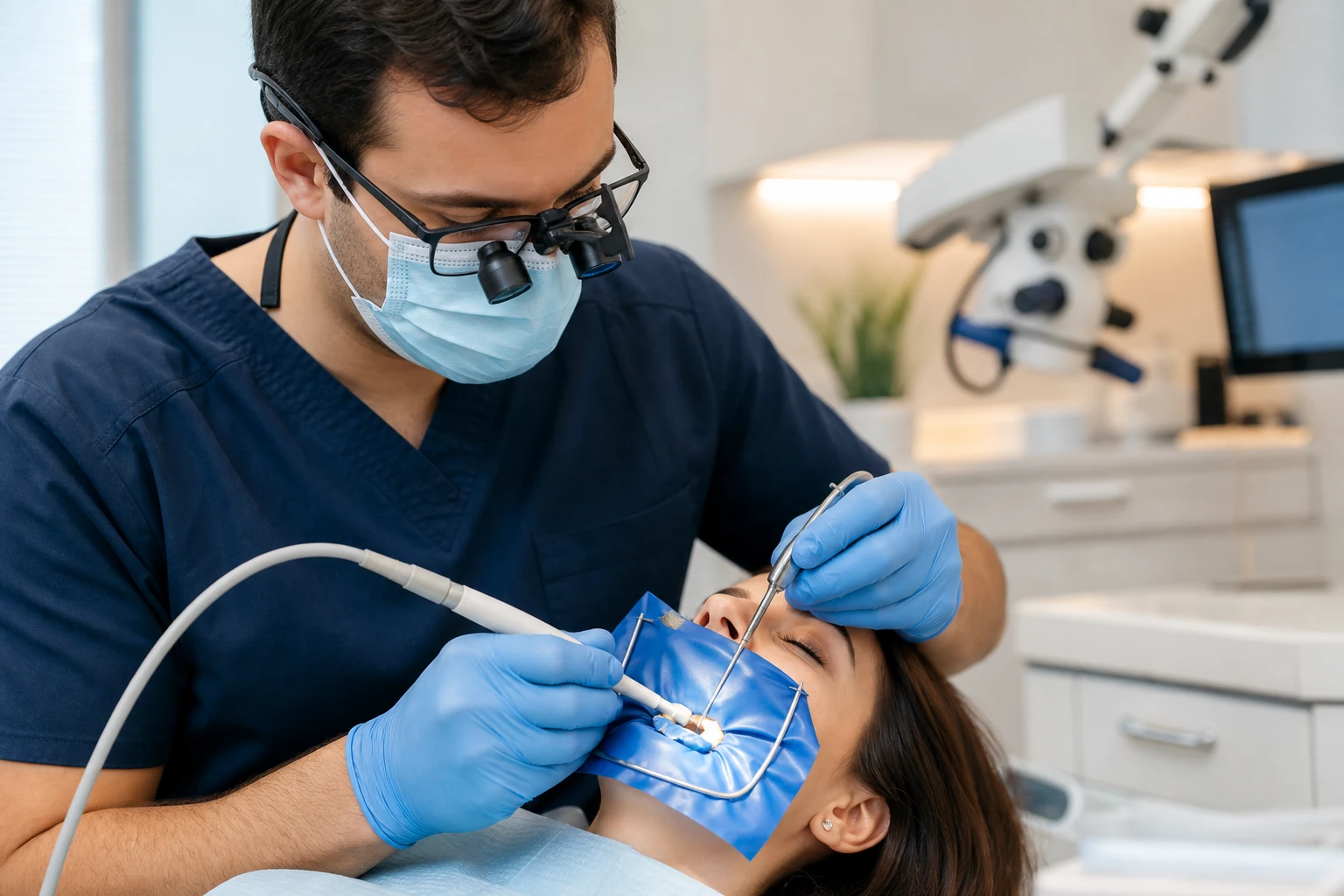
A root canal is one of the most effective ways to save a severely infected or damaged tooth. Despite its reputation, modern root canal therapy is comfortable and routine. The key is recognizing the warning signs early so treatment can begin before the infection worsens or the tooth becomes unsaveable.
Common Warning Signs
Persistent tooth pain. A toothache that lingers or comes and goes over days or weeks often signals that the nerve inside the tooth is inflamed or infected. The pain may be sharp, throbbing, or a deep ache in the jaw.
Prolonged sensitivity. If hot or cold temperatures cause pain that lasts more than a few seconds after the stimulus is removed, the tooth pulp may be damaged.
Darkening of the tooth. A tooth that has turned gray or dark compared to surrounding teeth may indicate that the internal tissue has died or is dying.
Swelling or a bump on the gums. A small pimple-like bump (fistula) on the gum near a tooth, swelling in the gum tissue, or facial swelling can indicate an abscess caused by an infected tooth.
Pain when chewing or touching. If biting down or pressing on a specific tooth causes sharp pain, the ligament around the root may be inflamed due to infection.
A cracked or deeply decayed tooth. Cracks and deep cavities can allow bacteria to reach the tooth pulp. Even if pain is not present yet, a compromised tooth may need root canal treatment to prevent infection.
What Happens Inside an Infected Tooth
Inside every tooth is a soft tissue called the pulp, which contains nerves and blood vessels. When bacteria reach the pulp through a deep cavity, crack, or injury, the tissue becomes inflamed and infected. Without treatment, the infection can spread to the root tip and into the surrounding jawbone, forming an abscess. This can lead to bone loss, spreading infection, and eventual tooth loss.
Why Early Treatment Matters
Catching a tooth infection early gives Dr. Pybus the best chance of saving the tooth with a straightforward root canal procedure. Delaying treatment often leads to more complex situations, greater discomfort, and higher treatment costs. In some cases, a tooth that could have been saved may need to be extracted and replaced with a dental implant or bridge.
Frequently Asked Questions
Can a tooth that needs a root canal heal on its own?
No. Once the pulp inside a tooth is infected, it will not heal without treatment. The infection will continue to spread and can cause an abscess, bone loss, and eventually tooth loss. Early treatment produces the best outcomes.
Is a root canal better than pulling the tooth?
In most cases, yes. Saving your natural tooth with a root canal preserves your jawbone, maintains your bite alignment, and avoids the need for a replacement like an implant or bridge. Dr. Pybus always prioritizes saving natural teeth when possible.
How long does recovery take after a root canal?
Most patients return to normal activities the next day. You may experience mild tenderness for a few days, which is typically managed with over-the-counter pain medication. The tooth is then protected with a crown for long-term strength.
Do Not Wait If You Have Symptoms
If you are experiencing any of the warning signs described above, contact Pybus Dental promptly. Early evaluation can save your tooth and prevent the infection from spreading. Call us at 806-354-2500 to schedule your evaluation.