
· By Dr. Charles Pybus, DDS
Gum disease is one of the most common chronic conditions in the United States, affecting nearly half of adults over 30. The good news is that it is largely preventable. At Pybus Dental in Amarillo, Texas, Dr. Charles Pybus and our hygiene team help patients understand their risk, build effective prevention habits, and catch early warning signs before they progress.
What Is Gum Disease?
Gum disease begins when bacterial plaque accumulates along the gumline and is not adequately removed. In its early stage, called gingivitis, the gums become red, swollen, and may bleed during brushing or flossing. If left untreated, gingivitis can progress to periodontitis, where bacteria penetrate below the gumline, destroy the supporting bone, and eventually cause tooth loss. Learn more about nonsurgical gum disease treatment options.
Daily Habits That Prevent Gum Disease
Brush twice daily. Use a soft-bristled toothbrush and fluoride toothpaste. Brush for at least two minutes, angling the bristles toward the gumline where plaque accumulates most.
Floss every day. Flossing removes plaque and food particles from between teeth and below the gumline where your toothbrush cannot reach. This is one of the most effective things you can do to prevent gum disease.
Use an antimicrobial mouthwash. An alcohol-free, therapeutic mouthwash can help reduce bacteria that contribute to gum inflammation. Ask our hygienists for a specific recommendation based on your needs.
Avoid tobacco. Smoking and chewing tobacco are among the strongest risk factors for gum disease. Tobacco reduces blood flow to the gums, impairs healing, and makes treatment less effective.
The Role of Professional Cleanings
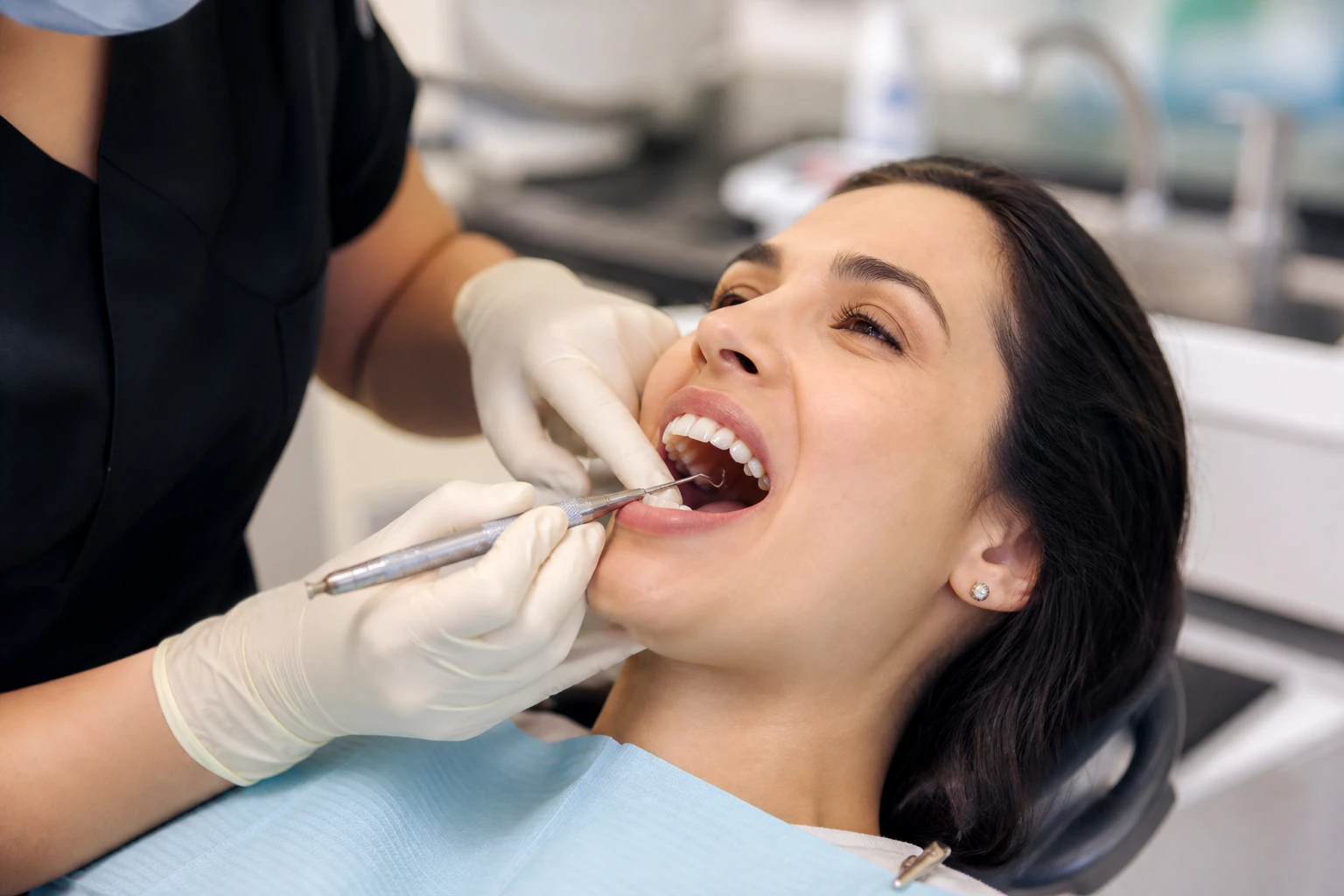
Even with excellent home care, tartar (hardened plaque) can form in areas that are difficult to reach. Only a professional dental cleaning can remove tartar. Regular six-month cleanings remove buildup before it causes damage. For patients with a history of gum disease, periodontal maintenance every three to four months keeps the condition under control.
Risk Factors You Should Know
Some factors increase your susceptibility to gum disease beyond daily hygiene habits. These include diabetes, hormonal changes during pregnancy, certain medications that reduce saliva flow, a family history of gum disease, and chronic stress. If any of these apply to you, more frequent dental visits and proactive monitoring are especially important.
Warning Signs to Watch For
Contact our office if you notice gums that bleed when you brush or floss, red, swollen, or tender gum tissue, persistent bad breath that does not improve with brushing, gums that are pulling away from your teeth, loose teeth, or changes in the way your teeth fit together when you bite. Early detection and treatment of periodontal conditions produces the best outcomes.
Frequently Asked Questions
What is the earliest sign of gum disease?
The earliest sign is usually bleeding gums when you brush or floss. Healthy gums should not bleed during normal oral care. If you notice bleeding, it is a sign of inflammation that should be evaluated.
Can gum disease be reversed?
Early-stage gum disease (gingivitis) can often be reversed with professional cleaning and improved home care. Once it progresses to periodontitis, it cannot be cured but can be effectively managed with ongoing treatment.
Is gum disease genetic?
Genetics can increase your susceptibility to gum disease, but it does not guarantee you will develop it. Good oral hygiene, regular professional cleanings, and avoiding tobacco significantly reduce your risk regardless of genetic factors.
Protect Your Gums in Amarillo
Prevention is always easier and more affordable than treatment. If it has been a while since your last cleaning, or if you are noticing any warning signs, call Pybus Dental at 806-354-2500 to schedule your appointment.